




Heat Pump Installation in Roanoke, AL
A properly sized, professionally installed heat pump delivers consistent comfort year-round while lowering energy bills and reducing home carbon footprint. In Roanoke, AL, where hot, humid summers and mild but occasionally chilly winters create a wide comfort range, upgrading to a modern heat pump or installing a dual-fuel system is one of the most cost-effective long-term HVAC decisions a homeowner can make. This page explains the full-service heat pump installation process—what to expect from the initial assessment and model selection through permitting, commissioning, and post-installation performance—so you can make an informed decision for your home.
Why a new heat pump makes sense in Roanoke, AL
- Summers in East Alabama are long and humid: high-efficiency heat pumps with modern dehumidification and variable-speed compressors provide more consistent indoor humidity control and quieter operation compared with older systems.
- Winters are generally mild but can have cold snaps. A dual-fuel system (heat pump paired with a gas or propane furnace) gives reliable heat during extreme lows while maximizing efficiency the rest of the year.
- Older systems often short-cycle or struggle to meet comfort needs. Correct sizing and modern controls eliminate uneven temperatures and lower monthly energy use.
Common heat pump types and installation options in Roanoke
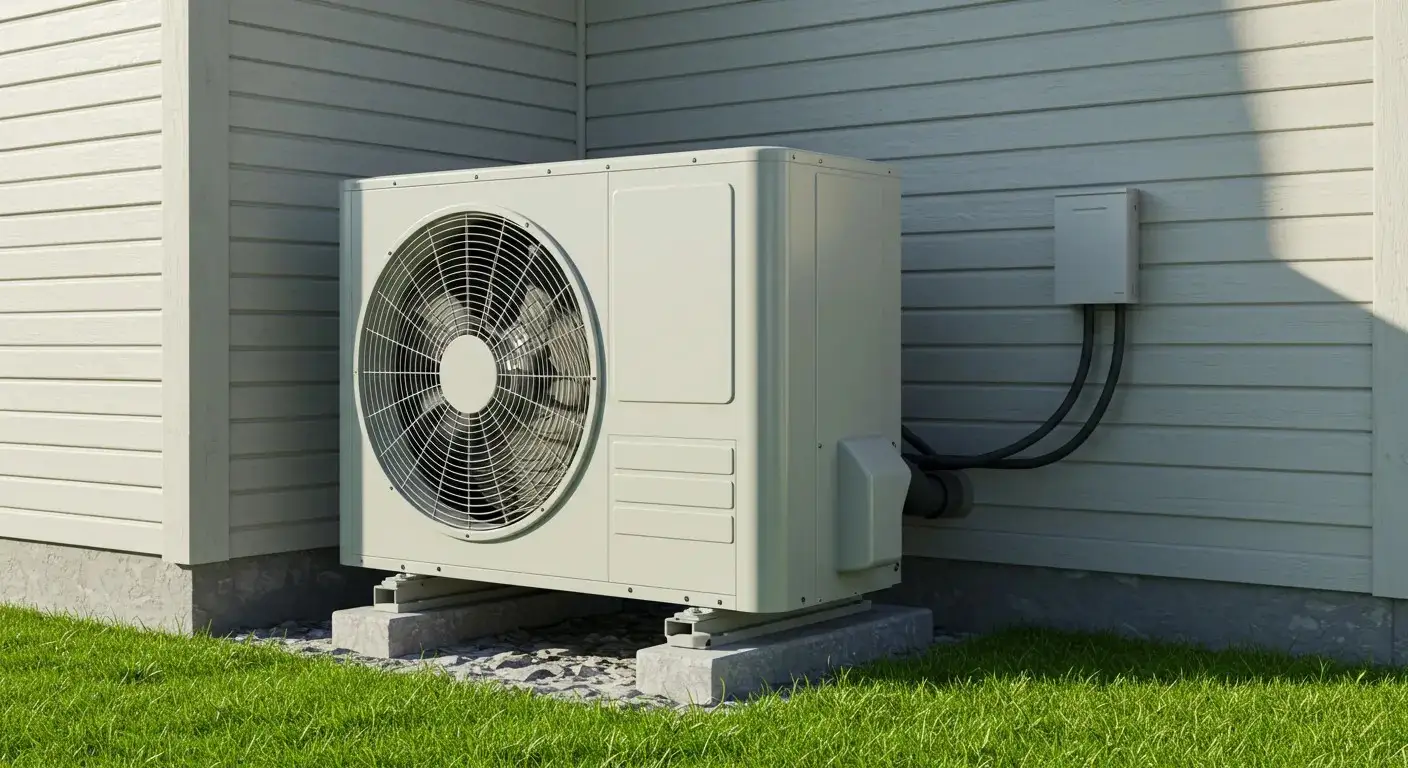
- Split system heat pump (outdoor condensing unit + indoor air handler or coil): best for most existing ducted homes.
- Packaged heat pump: useful for homes with limited indoor mechanical space.
- Ductless mini-split systems: excellent for additions, finished basements, or homes without ducts.
- Dual-fuel heat pump systems: ideal where winter fuel costs or extreme cold make a hybrid setup attractive.
- Geothermal systems: high upfront cost but exceptional year-round efficiency where ground conditions allow.
Initial home assessment and load calculations
A professional installation begins with an on-site assessment. Key steps include:
- Reviewing insulation levels, attic ventilation, window type, and building orientation.
- Inspecting ductwork for leaks, sizing, and insulation; recommending repairs or replacement if needed.
- Performing a Manual J load calculation to determine the exact heating and cooling loads (not a rule-of-thumb sizing).
- Measuring existing airflow (CFM) and static pressure to ensure the chosen system will deliver correct circulation.
This assessment ensures the selected heat pump matches your home’s real-world needs, avoiding undersizing or oversizing that can reduce comfort and efficiency.
Model selection and system sizing
When choosing a model, consider:
- Efficiency ratings: SEER for cooling and HSPF (or the newer HSPF2) for heating. Higher numbers mean lower operating costs.
- Variable-speed or inverter-driven compressors for better comfort, quieter operation, and improved dehumidification.
- Matched components: an outdoor unit should be paired with a compatible indoor coil and air handler for optimal performance and warranty coverage.
- Dual-fuel compatibility if you want a gas or propane backup for very cold days.
Right sizing focuses on matching capacity to the load calculation, not simply replacing the previous unit’s tonnage.
Typical installation steps and timelines
A professional full-service installation usually follows this sequence:
- Site preparation and system staging (protect flooring, clear area).
- Removal and disposal of old equipment (if present).
- Installation of the outdoor unit pad and placement of the outdoor condenser.
- Mounting or replacing the indoor air handler/coil, connecting refrigerant lines and condensate drain.
- Making electrical and control connections, including a dedicated circuit and proper disconnect.
- Duct connections, sealing and insulating as needed; register balancing for airflow.
- Charging the system with refrigerant, leak testing, and vacuuming lines.
- Startup, commissioning, and performance testing.
Typical timeline: most single-family homes complete standard split-system installs in 1–2 days; complex installs, duct replacement, or zoning can take 2–4 days.
Permitting, safety checks, and code compliance
Proper permitting and inspections protect homeowners and ensure compliance with local codes. A full-service install includes:
- Pulling any required mechanical and electrical permits and coordinating inspections.
- Verifying electrical wiring, breaker sizing, and grounding.
- Refrigerant handling per EPA regulations and leak checks.
- Safety checks for backup heating (combustion appliance zones, CO testing, where applicable).
- Documentation of equipment specs and permit sign-offs necessary for warranty and local code requirements.
Warranty, commissioning, and post-installation testing
After physical installation, commissioning verifies the system delivers design performance:
- Test electrical amps, refrigerant pressures, and airflow.
- Verify thermostat programming, staging, and any smart controls or zoning.
- Run diagnostic checks for cycling, defrost operation, and balanced supply/return temperatures.
- Explain manufacturer and labor warranties, proper registration steps, and how routine maintenance preserves coverage.
A thorough commissioning report should document measured performance and any recommendations.
Expected energy savings in Roanoke homes
Savings vary by system replaced, fuel type, and home efficiency, but homeowners typically see:
- Significant heating savings vs electric resistance heat: often 30–60% reduction in heating costs.
- Combined heating and cooling bill reductions of 15–35% compared with older, inefficient systems, especially when moving from a >10-year-old heat pump or window units.
- Additional savings when pairing high-efficiency models with smart controls, proper sealing, and a matched air handler.
These are typical ranges; a site-specific estimate following a load calculation provides the best projection.
Financing and incentives
Many homeowners finance a new heat pump to spread upfront costs over time. In addition:
- Federal tax credits and state or utility rebates may be available for qualifying high-efficiency systems or heat pump installations—eligibility often depends on equipment efficiency ratings and installation practices.
- Financing programs commonly offer varying term lengths and structures; full details and qualification depend on the provider and homeowner credit profile.
Consult current incentive listings to determine potential savings and program availability.
What to expect from an in-home estimate
A professional in-home estimate includes:
- A detailed walkthrough and Manual J load calculation.
- Inspection of ducts, attic, and mechanical space and documentation of any recommended repairs.
- Presentation of recommended system types, capacity options, and efficiency comparisons.
- An itemized install scope with anticipated timeline, permit needs, warranty details, and expected performance estimates.
- Discussion of potential financing and incentive options (if available).
This estimate gives a clear picture of cost, timing, and long-term operating expectations for your home.
Long-term benefits and maintenance
A correctly installed heat pump optimizes comfort, lowers bills, and extends equipment life. Routine seasonal maintenance—filter changes, coil cleaning, refrigerant checks, and annual tune-ups—preserves efficiency and manufacturer warranties. In Roanoke’s climate, a heat pump delivers dependable cooling and efficient heating most of the year; pairing it with proper insulation and ductwork improvements multiplies comfort and savings.
This full-service approach—assessment, precise sizing, licensed installation, permitting, thorough testing, and planned maintenance—ensures your new heat pump meets performance expectations and serves your Roanoke home reliably for years.
Upgrade Your Comfort With Expert Heat Pump Installation in Roanoke
Ready to enjoy year-round comfort, lower energy bills, and lasting peace of mind? The professionals at Bain Heating and Air Conditioning make upgrading simple, from precise system sizing to full-service installation and ongoing support. Explore flexible financing options, learn more about our trusted team, or schedule your in-home estimate today to get started.
Financing
We offer flexible financing options through Goodleap, making it easier to upgrade your home’s comfort without financial stress.

Customer Testimonials
Our customers consistently praise our team for reliable service, honest pricing, and the comfort solutions that keep their homes running smoothly year-round.