




Heat Pump Maintenance in Anniston, AL
Keeping your heat pump tuned and tested is one of the easiest ways to avoid surprise breakdowns, lower energy bills, and extend equipment life. In Anniston, AL, where hot, humid summers and occasional cool snaps make year-round comfort essential, regular heat pump maintenance protects performance and helps your system handle both heavy cooling loads and reverse-cycle heating demands.
Why seasonal heat pump maintenance matters in Anniston homes
Anniston’s warm, humid climate means heat pumps run hard for long stretches. High humidity, airborne pollen, and yard debris can clog filters and coils, reducing airflow and forcing the compressor to work overtime. Winters are usually mild but can include chilly periods that stress defrost cycles and auxiliary heat components. Routine maintenance addresses these local factors so your system stays efficient, reliable, and less likely to need costly repairs.
Common heat pump issues in Anniston and what maintenance prevents
- Reduced cooling capacity and uneven comfort caused by dirty filters, clogged coils, or restricted airflow.
- Higher energy bills from low refrigerant, failing motors, or poor thermostat calibration.
- Short cycling and frequent on-off operation from electrical or control issues.
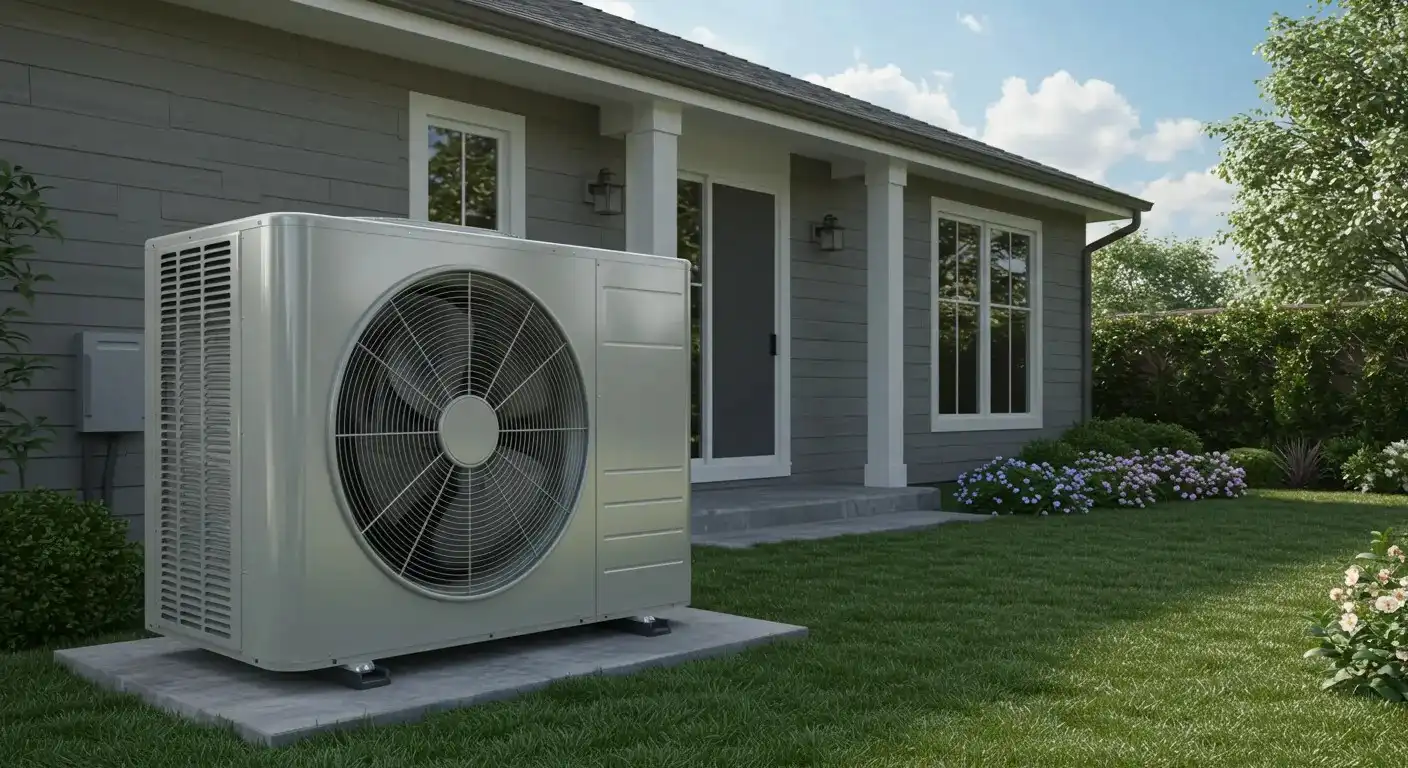
- Outdoor-unit problems from debris, grass clippings, and pollen buildup that block airflow.
- Ice formation and defrost-cycle failures during cold snaps, often due to dirty coils or refrigerant imbalance.
- Compressor and fan motor wear when lubrication and belt/drive inspections are skipped.
What a comprehensive heat pump maintenance visit includes
A professional tune-up for heat pump maintenance in Anniston, AL typically follows a structured checklist to maximize safety and efficiency. Key elements include:
- Visual inspection of outdoor and indoor units for physical damage and debris.
- Filter and coil cleaning: Replace or clean filters and remove dirt from evaporator and condenser coils to restore airflow and heat transfer.
- Refrigerant level checks: Verify refrigerant charge and inspect for leaks; low refrigerant reduces efficiency and damages compressors.
- Blower and fan inspection: Clean and adjust blower assembly and outdoor fan, lubricate motors where applicable.
- Electrical and safety checks: Tighten electrical connections, inspect capacitors and contactors, test safety switches and breakers.
- Thermostat calibration: Confirm accurate temperature sensing and correct cycle timing for comfort and efficiency.
- Drain and condensation control: Clear condensate drain lines and check for blocked pans to prevent water damage and mold growth.
- Defrost and reversing valve function: Test defrost cycle and reversing valve operation so heating performance is reliable during cooler spells.
- Performance testing under load to measure temperatures, pressures, and system operation for diagnostic baselines.
Typical maintenance schedules and recommendations
- Annual professional tune-up minimum: At least one comprehensive service per year if you seldom use heating.
- Biannual service recommended for year-round operation: Schedule a spring cooling tune-up and a fall heating tune-up to prepare for peak seasons.
- Filter checks: Inspect every 1 month and change every 1-3 months depending on filter type, household pets, and indoor air quality.
- Ongoing homeowner checks: Keep the outdoor unit clear of leaves, mulch, and grass; maintain a 2-3 foot clearance for airflow.
How problems are diagnosed and fixed during service
Technicians use a combination of visual checks, system measurements, and performance tests to identify issues:
- Temperature split testing and pressure readings reveal refrigerant and airflow problems.
- Electrical testing pinpoints failing capacitors, motors, and connections that cause intermittent faults.
- Coil inspections using flashlights and refrigerant gauges find blockages and leaks.
Repairs are prioritized by safety and impact on operation. Common on-the-spot fixes include filter replacement, condensate line clearing, tightening electrical connections, and minor adjustments. More complex issues such as refrigerant leaks, compressor faults, or major component replacements are diagnosed and scoped with clear recommendations and expected outcomes.
Maintenance plans and what to expect from them
Maintenance plans available for heat pump systems usually bundle regular tune-ups, priority scheduling during peak seasons, discounted diagnostic fees, and routine filter or part replacement schedules. Plans often include:
- Scheduled seasonal visits with a written checklist and performance report.
- Preventive parts replacement (filters, belts) on a planned timeline.
- Priority dispatch for service calls during extreme weather periods.
- Documentation that helps preserve warranty coverage and resale value.
Choosing a plan is a way to budget for routine care, reduce emergency repairs, and get consistent record-keeping of system health.
Benefits of timely heat pump servicing
- Improved energy efficiency and lower monthly utility bills.
- Greater comfort with more consistent temperatures and humidity control.
- Reduced likelihood of mid-summer or mid-winter breakdowns.
- Longer equipment life and better long-term value from your heat pump investment.
- Safer operation through verified electrical and safety checks, reducing fire and water-risk exposures.
Practical homeowner maintenance tips
- Replace disposable filters monthly during heavy-use periods; check washable filters more frequently.
- Keep outdoor units free of vegetation, pollen buildup, and debris; rinse coils gently with a garden hose if visibly dirty.
- Keep vents and returns unobstructed inside the home for consistent airflow.
- Program thermostats for steady setpoints and avoid frequent large swings that stress the system.
- Note unusual sounds, odors, or performance changes and record operating conditions to share with your technician during the next service.
Scheduling a service visit (what to expect)
Scheduling a professional heat pump maintenance visit usually involves identifying your system make and model, describing any performance concerns, and selecting a preferred service window. A typical visit lasts 60 to 90 minutes for a full tune-up. You should receive a written summary of findings, a checklist of completed tasks, and clear recommendations if repairs or parts replacements are needed. Keeping this service record helps track trends and protects warranty obligations.
Regular heat pump maintenance in Anniston, AL protects comfort and budget by addressing climate-related stresses, preventing common failures, and keeping your system operating at peak efficiency year after year.
Keep Your Comfort on Track With Reliable Local Experts
Your heat pump works hard in Anniston’s demanding climate, and regular maintenance is the key to keeping it running smoothly. With Bain Heating and Air Conditioning, you can count on trusted service, expert care, and flexible financing options that make year-round comfort affordable. Learn more about our team and see why homeowners rely on us for dependable HVAC solutions. When you’re ready to schedule your next tune-up or ask about a maintenance plan, don’t wait, contact us today and enjoy peace of mind with a system that’s prepared for every season.
Financing
We offer flexible financing options through Goodleap, making it easier to upgrade your home’s comfort without financial stress.

Customer Testimonials
Our customers consistently praise our team for reliable service, honest pricing, and the comfort solutions that keep their homes running smoothly year-round.