




Breathe Easier: The Essential Guide to Home Air Filtration with Bain Heating and Air Conditioning
The air inside your home can often be more polluted than the air outside. Dust, allergens, pet dander, mold spores, and even volatile organic compounds (VOCs) from everyday household products can compromise your indoor air quality, impacting your family's health and comfort. At Bain Heating and Air Conditioning, we understand the critical importance of clean, healthy indoor air. Our Home Air Filtration services are designed to address these concerns, providing comprehensive solutions that ensure the air you breathe is as pure as possible.
Effective home air filtration is not just about changing a furnace filter; it’s about creating a holistic system that captures and eliminates a wide range of airborne contaminants. By investing in a high-quality air filtration system, you’re not just improving air quality; you're safeguarding health, enhancing comfort, and even protecting your HVAC equipment.
The Undeniable Benefits of High-Quality Home Air Filtration
Implementing an advanced home air filtration system offers a multitude of benefits that extend beyond simply trapping dust. These advantages significantly contribute to a healthier, more comfortable living environment:
- Improved Health and Well-being: By removing airborne irritants like pollen, pet dander, and mold spores, effective filtration systems can dramatically reduce symptoms for allergy and asthma sufferers. They also help minimize the spread of airborne viruses and bacteria, contributing to overall better respiratory health for everyone in your household.
- Enhanced Indoor Comfort: Eliminating dust and other particulates from the air reduces household chores and prevents these particles from settling on surfaces. Cleaner air simply feels fresher and more pleasant to breathe, creating a more enjoyable living space.
- Protection for Your HVAC System: Air filters are the first line of defense for your heating and cooling equipment. A quality filtration system prevents dirt, dust, and debris from accumulating on sensitive components like evaporator coils and blower motors. This protection helps your system operate more efficiently, reduces the likelihood of breakdowns, and can extend the lifespan of your entire HVAC unit, ultimately saving you money on energy bills and repairs.
- Odor Reduction: Certain advanced filters, particularly those with activated carbon, are highly effective at neutralizing unpleasant odors from cooking, pets, smoke, and household chemicals, leaving your home smelling cleaner.
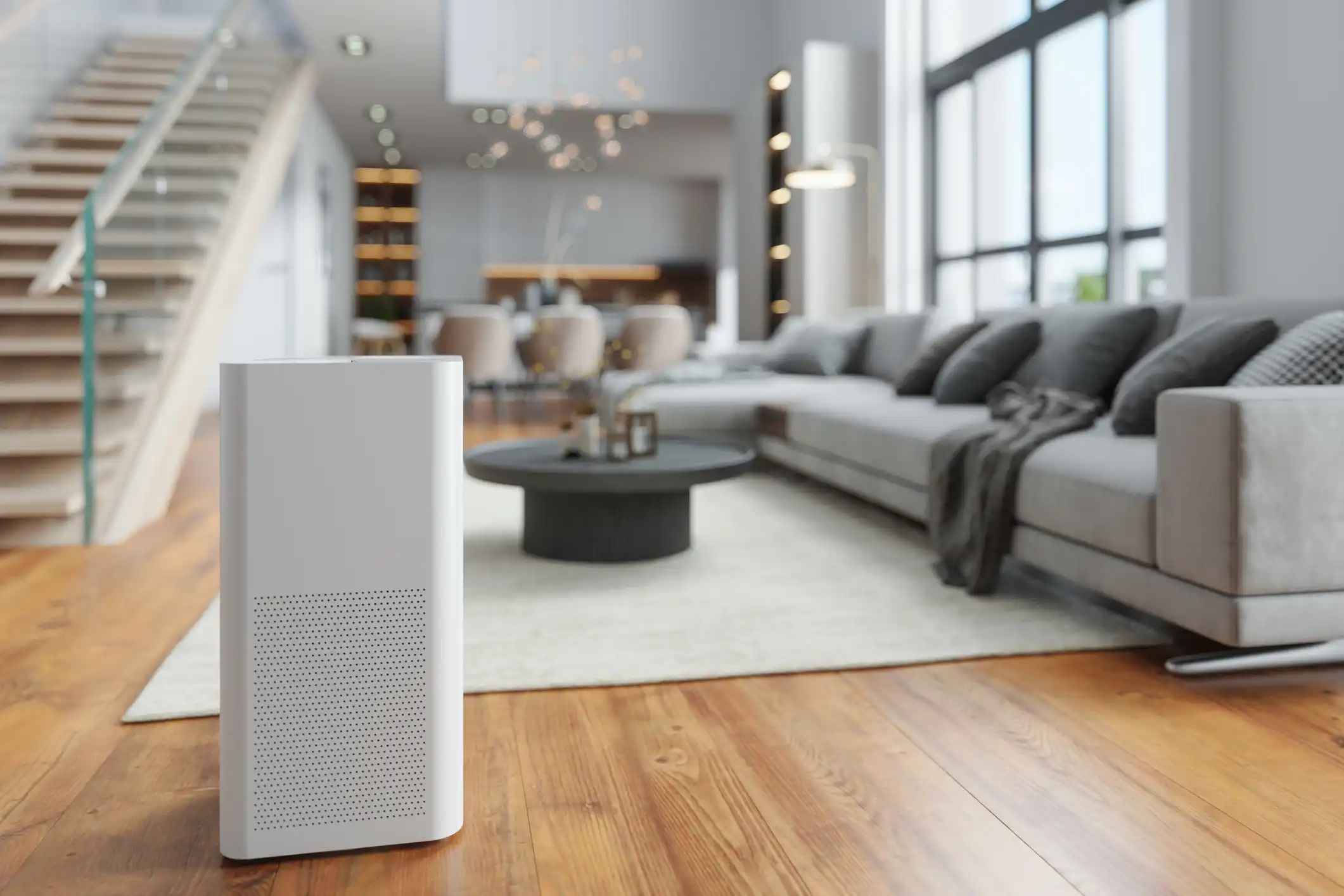
Understanding Different Types of Air Filters and Their Uses
The world of air filters can seem complex, but understanding the different types is key to choosing the right solution for your home. Each filter type is designed to target specific contaminants and offers varying levels of filtration efficiency.
- Mechanical Filters (MERV Rated): Most common filters, often made from pleated paper or synthetic fibers, are rated by their Minimum Efficiency Reporting Value (MERV). A higher MERV rating indicates greater filtration efficiency, meaning the filter can capture smaller particles. For residential use, MERV ratings typically range from 8 to 13, effectively trapping dust, pollen, pet dander, and mold spores. Filters with a MERV rating of 13 or higher are often considered "hospital-grade" and can capture even finer particles, including bacteria and some viruses.
- HEPA (High-Efficiency Particulate Air) Filters: True HEPA filters are the gold standard for air purification, capable of capturing 99.97% of airborne particles 0.3 microns in size. This includes virtually all common allergens, dust mites, mold spores, and even many types of bacteria and viruses. While incredibly effective, true HEPA filters are often too dense for standard HVAC systems and are typically found in standalone air purifiers or specialized whole-home filtration systems designed to accommodate their high airflow resistance.
- Activated Carbon Filters: These filters utilize a bed of activated carbon, a porous material known for its ability to adsorb gases and odors. Activated carbon filters are highly effective at removing VOCs, chemical fumes, smoke, and pet odors. They are often used in conjunction with mechanical or HEPA filters to provide comprehensive air purification that addresses both particulate matter and gaseous pollutants.
- UV Light Air Purifiers: While not filters in the traditional sense, UV (ultraviolet) light purifiers are often integrated into air filtration systems. They use UV-C light to kill or deactivate airborne bacteria, viruses, and mold spores as they pass through the HVAC system, providing an added layer of biological contamination control.
Bain Heating and Air Conditioning can assess your specific needs and recommend the optimal combination of filter types for your home and HVAC system.
Identifying Common Indoor Air Pollutants in Your Home
Before you can effectively filter your air, it helps to understand the enemy. Your home can harbor a surprising array of pollutants, often unseen and unnoticed, that contribute to poor air quality:
- Particulates: This broad category includes dust, pollen, pet dander, dust mites, mold spores, and fibers from fabrics. These are common allergens and irritants.
- Biological Contaminants: Bacteria, viruses, and fungi (mold and mildew) can thrive in indoor environments, particularly in areas with high humidity, and can be circulated throughout your home via your HVAC system.
- Volatile Organic Compounds (VOCs): These are gases emitted from various solids and liquids, including paints, varnishes, cleaning supplies, air fresheners, new carpeting, furniture, and even some building materials. VOCs can cause short-term health effects like headaches and nausea, and some are known carcinogens.
- Combustion Byproducts: Sources like gas stoves, fireplaces, and faulty furnaces can produce carbon monoxide, nitrogen dioxide, and other harmful gases.
- Odor Causing Molecules: Lingering cooking smells, pet odors, and the scent of cleaning products can make your home feel less fresh.
A robust air filtration system from Bain Heating and Air Conditioning is designed to tackle many of these pollutants, significantly improving your indoor environment.
Professional Installation vs. DIY: What You Need to Know
While changing a standard furnace filter is a straightforward DIY task, installing a comprehensive whole-home air filtration system is a different endeavor entirely. These advanced systems often require integration into your existing HVAC ductwork, precise airflow calculations, and electrical connections.
Attempting a DIY installation of a whole-home system without the proper expertise can lead to several issues:
- Incorrect Sizing or Placement: An improperly sized or positioned filter can restrict airflow, making your HVAC system work harder and reducing its efficiency.
- Compromised Ductwork: Improper cutting or sealing of ductwork can lead to air leaks, reducing the system's effectiveness and wasting energy.
- Electrical Hazards: Some advanced systems require electrical connections that should only be handled by a qualified professional.
- Ineffective Filtration: Even with the right filter, improper installation can bypass the filtration entirely, rendering it useless.
Choosing professional installation from Bain Heating and Air Conditioning ensures that your new air filtration system is correctly integrated, perfectly sized, and optimally configured for maximum efficiency and effectiveness. Our certified technicians have the expertise to handle the complexities of installation, guaranteeing that your system performs as intended.
Cost and Maintenance Of Air Filtration Systems
The cost of a home air filtration system varies widely depending on the type of system, its capacity, the MERV rating, and the specific installation requirements. While there is an initial investment, it's important to consider the long-term benefits of improved health, extended HVAC equipment life, and potential energy savings.
Maintenance for most air filtration systems primarily involves regular filter replacement or cleaning, depending on the filter type. The frequency of replacement will depend on factors such as:
- Filter Type and MERV Rating: Higher MERV filters may need to be replaced more often.
- Household Size and Activity: Homes with more occupants, pets, or smokers will likely require more frequent changes.
- Local Air Quality: If you live in an area with high pollen counts or construction, you may need to change filters more frequently.
Bain Heating and Air Conditioning provides clear guidance on recommended maintenance schedules for any system we install. Regular maintenance ensures your filtration system continues to operate at peak efficiency, protecting your air quality and your HVAC investment.
Take Control of Your Indoor Air Quality Today
Don't let invisible pollutants compromise the comfort and health of your home. With a high-quality Home Air Filtration system from Bain Heating and Air Conditioning, you can enjoy cleaner, fresher air every day. Our experts are ready to assess your home's unique needs, discuss the best filtration options, and provide professional installation and maintenance services.
To learn more about how Bain Heating and Air Conditioning can improve your indoor air quality or to schedule an appointment for a personalized consultation, reach out to our team today.
Financing
We offer flexible financing options through Goodleap, making it easier to upgrade your home’s comfort without financial stress.

Customer Testimonials
Our customers consistently praise our team for reliable service, honest pricing, and the comfort solutions that keep their homes running smoothly year-round.